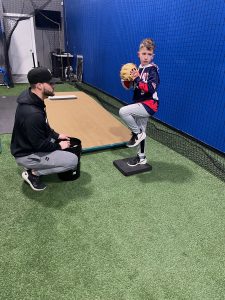
Recognizing pitch spin is one of those advanced skills that separates good hitters from great ones. Mastering this can take you from a good hitter to a great hitter. When a player can pick up the spin early, they can anticipate where the ball will end up and make better contact. At Momentum Baseball Training Facility in Staten Island, our instructors use advanced tools and drills to teach players how to recognize spin and react with confidence. We’ve briefly touched upon this in the past, but we’re going to look into more specific drills that can be done to help.
What Pitch Spin Really Means
Every pitch that leaves a pitcher’s hand carries a unique spin pattern. A fastball spins tightly with backspin, a curveball tumbles forward, and a slider cuts across the zone. The spin affects how the ball moves, drops, or breaks at the last second. Learning to recognize these patterns helps hitters identify pitch types before the ball even crosses the plate.
For younger players, this skill can feel impossible at first. But with the right training and repetition, recognizing spin becomes second nature. The key is developing both the visual skill to track the seams and the discipline to slow the game down mentally.
How Momentum Teaches Pitch Recognition
At Momentum, our pitch recognition training goes beyond simple batting practice. Using technology like Rapsodo and HitTrax, we can track spin rates, pitch movement, and velocity. Players get to see live data on how different pitches move, then apply that knowledge right away in the cage.
Our coaches and trainers also use visual tracking drills, video analysis, and live-arm sessions to help players learn what each pitch looks like out of the hand. Over time, they start picking up subtle cues like arm angle, release point, or the way the seams rotate that signal what is coming next. This will give you an advantage on the field.
Specific Drills That Improve Pitch Recognition
Momentum coaches use a variety of drills designed to sharpen visual focus and reaction time while reinforcing good mechanics. A few favorites include:
Colored Ball Drill:
Hitters face soft toss or machine pitches using balls marked with two or three colors. Players must call out the color as soon as they recognize it out of the hand. This trains the eyes to pick up spin patterns faster.
Seam Focus Drill:
Players watch pitches without swinging, focusing only on tracking the rotation of the seams. Over time, they begin to recognize the unique spin signatures of different pitch types.
Reaction Flash Drill:
Using a light board or flash cards, players respond instantly to random pitch types or visual cues displayed by the coach. This builds fast recognition and decision-making skills under pressure.
Mixed Pitch Drill:
Live or machine pitches are alternated between fastballs, breaking balls, and off-speed pitches. The hitter calls the pitch type before deciding to swing. This helps bridge the gap between recognition and execution.
Each drill focuses on repetition, focus, and timing. When paired with data feedback from HitTrax and Rapsodo, hitters can actually see how their reaction time and contact quality improve from session to session.
What a Pitch Recognition Session Looks Like at Momentum
A typical session starts with a short warm-up focused on eye tracking and body positioning. Players might use visual cue cards or slow-motion clips to practice identifying spin direction before stepping into the cage.
Next, coaches mix in live or simulated pitches while the HitTrax and Rapsodo systems record the spin rate and movement. Players call out what they see, whether it is a fastball, curve, or slider, before the ball reaches the plate. It is a simple but powerful way to train focus and reaction.
As the session goes on, hitters start to connect the feel of their swing with the look of each pitch. They see the data, make small adjustments, and immediately get feedback on how well they are recognizing movement. By the end, most players walk out of the cage not just swinging better, but thinking better at the plate. The quicker you know what’s coming the quicker you can react.
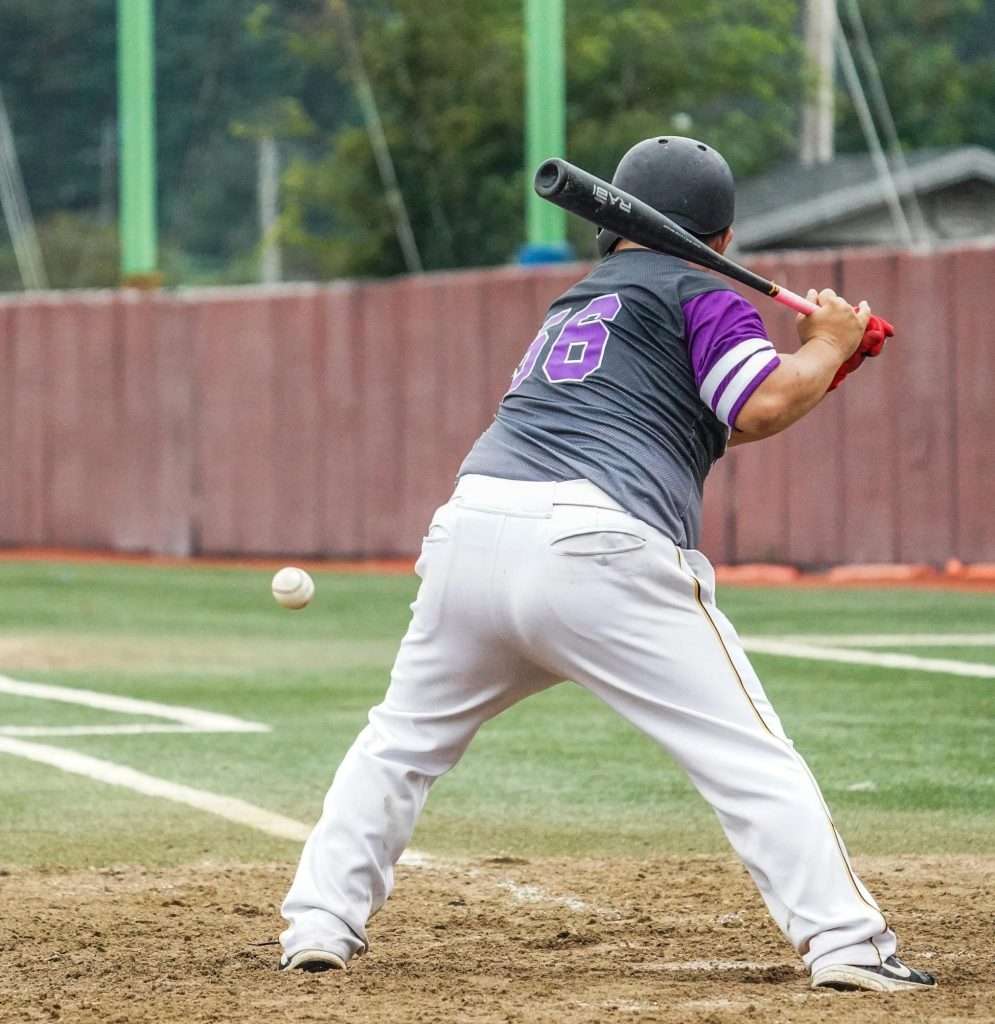
Why Pitch Recognition Training Builds Confidence
When a player understands pitch spin, they stop guessing at the plate. They step in with a clear plan instead of hoping they will make contact. That shift alone can change everything. Through focused pitch recognition training, hitters begin to trust their eyes and instincts. They learn to recognize what is coming before it breaks, and that creates confidence that shows up in every at-bat.
At Momentum, our coaches see it all the time. Players who start unsure of themselves eventually walk into the cage knowing they can handle whatever comes their way. Once a hitter realizes they can identify pitches early, they stop being intimidated by velocity or movement and start owning the at-bat.
Train Smarter This Season
Whether you are facing high school pitchers or preparing for college-level competition, improving your pitch recognition can completely change your approach at the plate. Momentum’s private sessions combine technology, coaching, and repetition to make that growth happen faster.